
Introduction: Why Safety Cabinets Matter
Industrial environments often handle flammable chemicals. These substances pose significant fire risks. Industrial safety cabinets are designed to mitigate these dangers. They provide a secure storage solution for flammable liquids. Their primary purpose is fire prevention. They also help facilities meet important safety regulations. Choosing the right cabinet is crucial for workplace safety. It’s also vital for staying compliant with the law.
Protecting Against Fire Hazards
Flammable chemicals can ignite easily. A small spark or heat source can cause a fire. Industrial safety cabinets act as a barrier. They are constructed with fire-resistant materials. These cabinets can contain spills and leaks. This containment prevents accidental ignition. They are designed to withstand high temperatures for a period. This buys valuable time in an emergency. Proper storage drastically reduces fire risk. This protects employees, equipment, and the facility itself. Safety cabinets are an essential line of defense.
Ensuring Regulatory Compliance
Handling flammable chemicals comes with legal requirements. Various safety regulations mandate proper storage. Agencies like OSHA in the US set specific standards. These standards often require the use of safety cabinets. Non-compliance can lead to serious consequences. Fines and legal action are possible outcomes. More importantly, non-compliance puts people at risk. Industrial safety cabinets help meet these regulatory needs. They provide documented proof of safe chemical handling. Using compliant cabinets simplifies inspections. It demonstrates a commitment to workplace safety.
Key Features of Effective Safety Cabinets
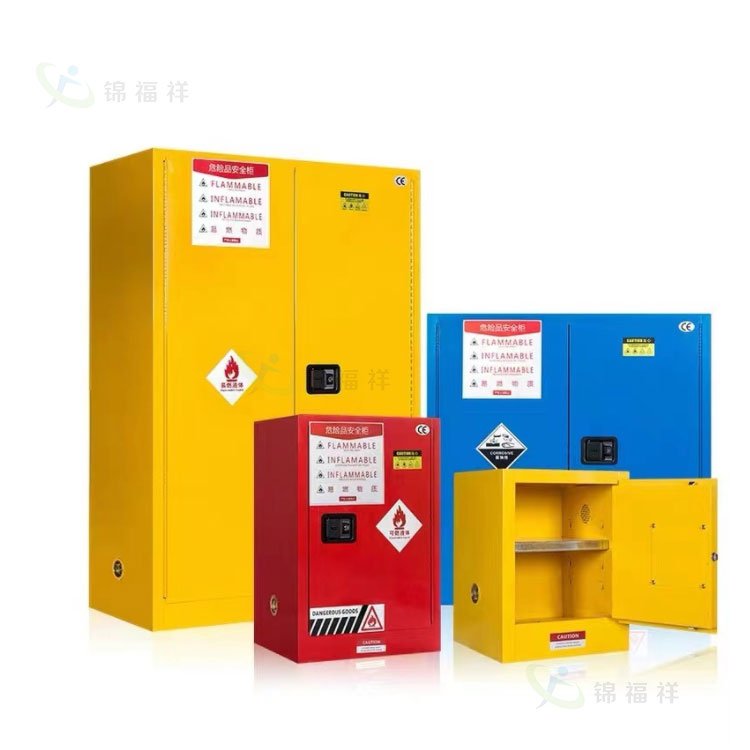
Not all safety cabinets are created equal. Look for cabinets made of double-walled steel. The inner and outer walls provide extra insulation. A 3/8-inch gap between walls helps contain heat. Self-closing doors are a critical feature. They ensure doors close automatically after use. This minimizes the risk of leaving them open accidentally. Liquid-tight sumps at the bottom catch spills. This prevents flammable liquids from pooling on the floor. Ventilation ports allow for proper air circulation. They should be equipped with flame arrestors. These arrestors prevent external flames from entering the cabinet. Secure locking mechanisms prevent unauthorized access. These features work together to enhance safety and compliance.
Choosing the Right Size and Type
Selecting the correct cabinet size is important. Consider the volume of flammable chemicals you store. Do not exceed the cabinet’s maximum capacity. Overcrowding increases risks. Choose a cabinet large enough for your needs. But avoid unnecessarily large cabinets. Evaluate the types of chemicals being stored. Some cabinets are designed for specific hazards. Ensure the cabinet meets the necessary standards. Consider the cabinet’s location within the facility. Easy access is important for daily use. Ensure it fits the available space. The right size and type optimize safety and functionality.
Implementing Best Practices
Installing safety cabinets is just the first step. Train employees on proper usage. They should know how to safely store and retrieve chemicals. Regular inspections are necessary. Check for damage, proper seals, and secure closures. Ensure all safety features are functioning correctly. Keep the area around the cabinet clean and clear. Avoid storing incompatible materials nearby. Maintain accurate records of chemical inventory. Follow all manufacturer guidelines for maintenance. Consistent adherence to best practices maximizes safety benefits.
Conclusion: A Smart Investment in Safety
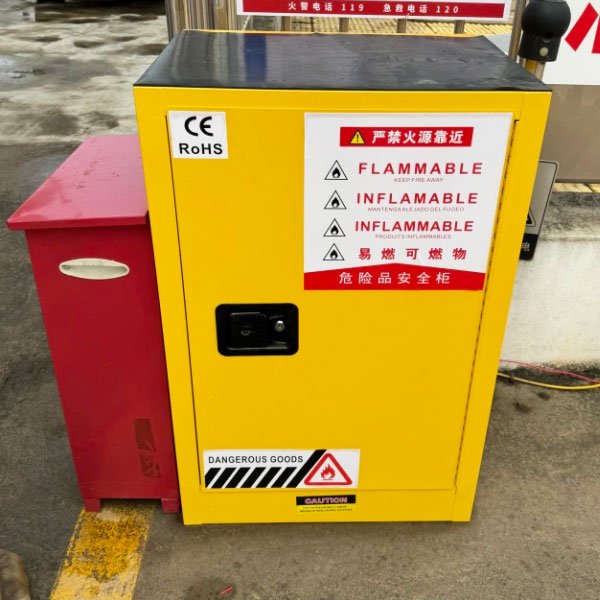
Industrial safety cabinets for flammable chemicals are not optional. They are essential tools for fire prevention. They are also key components of regulatory compliance. Investing in quality safety cabinets protects your workforce. It safeguards your facility and assets. It helps avoid costly penalties. More importantly, it promotes a culture of safety. Make industrial safety cabinets a priority in your chemical management plan. They are a wise investment that yields significant long-term benefits. Choose cabinets that meet your specific needs and regulatory requirements. This ensures the highest level of protection and compliance for your industrial setting.