Factory-direct steel & PP lab furniture from Luoyang Hengna. OEM / ODM welcome.

Luoyang Hengna Office Furniture Co., Ltd. is located in Luoyang, Henan Province, which is known as the “Steel Furniture Industrial Base”. We specialize in manufacturing a wide range of laboratory furniture.
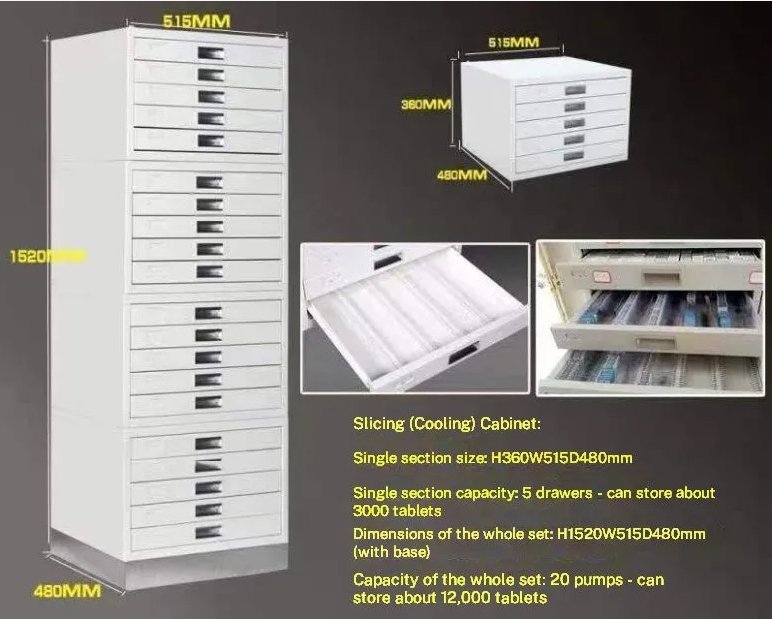
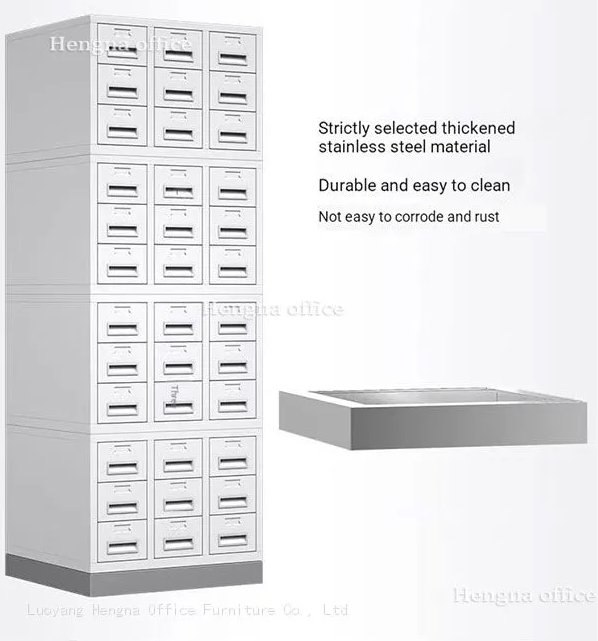
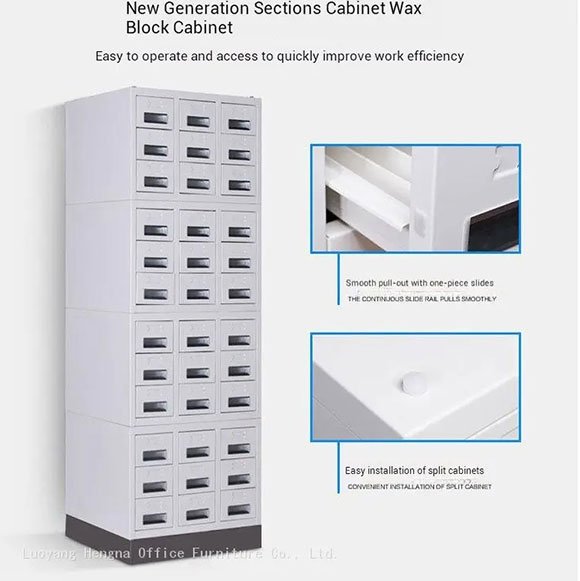
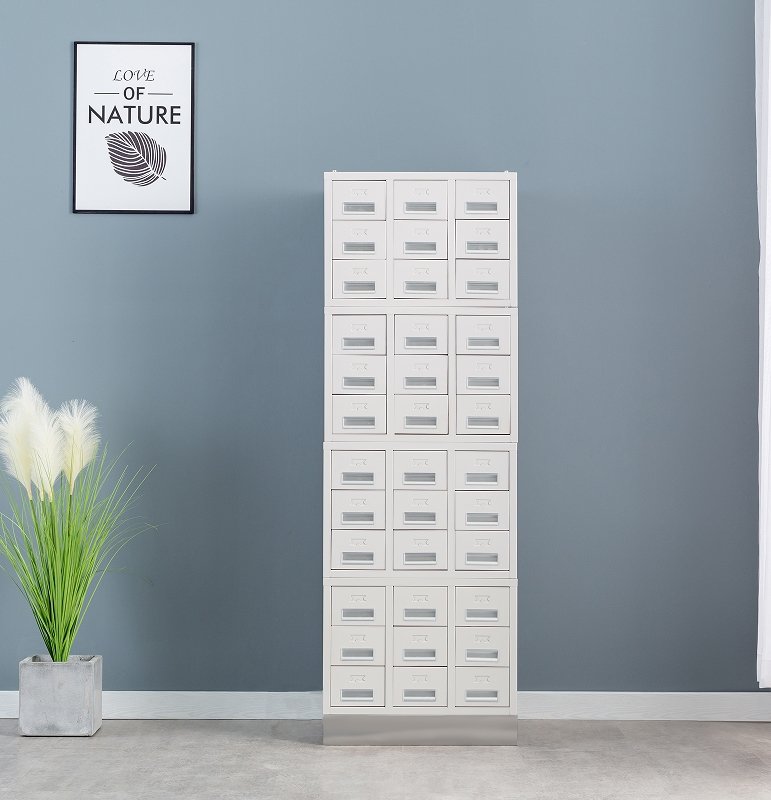
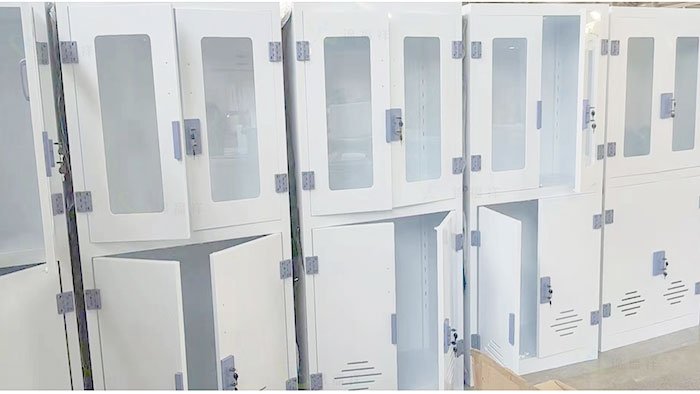
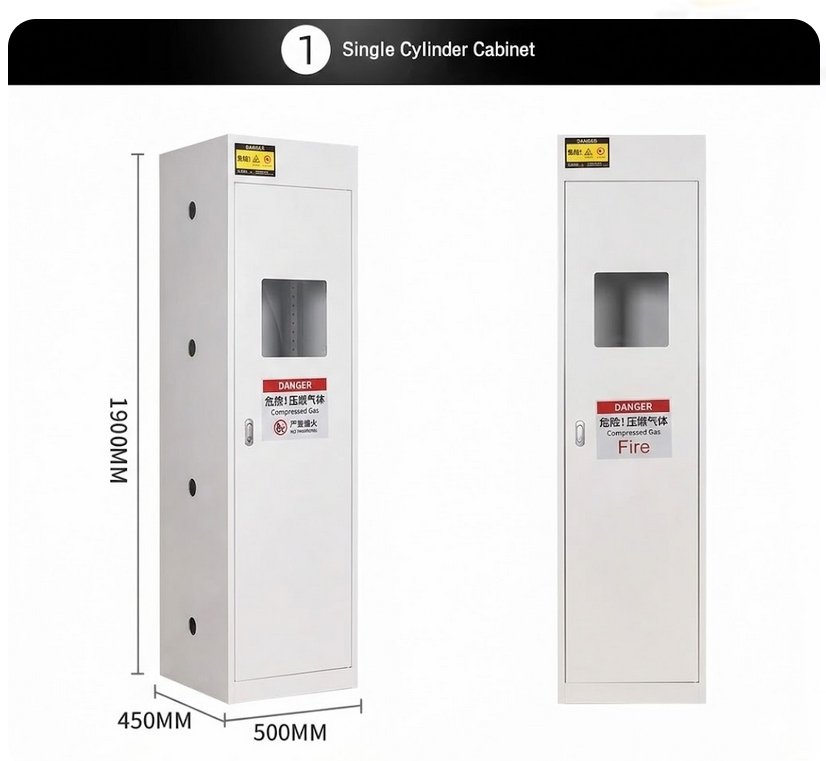
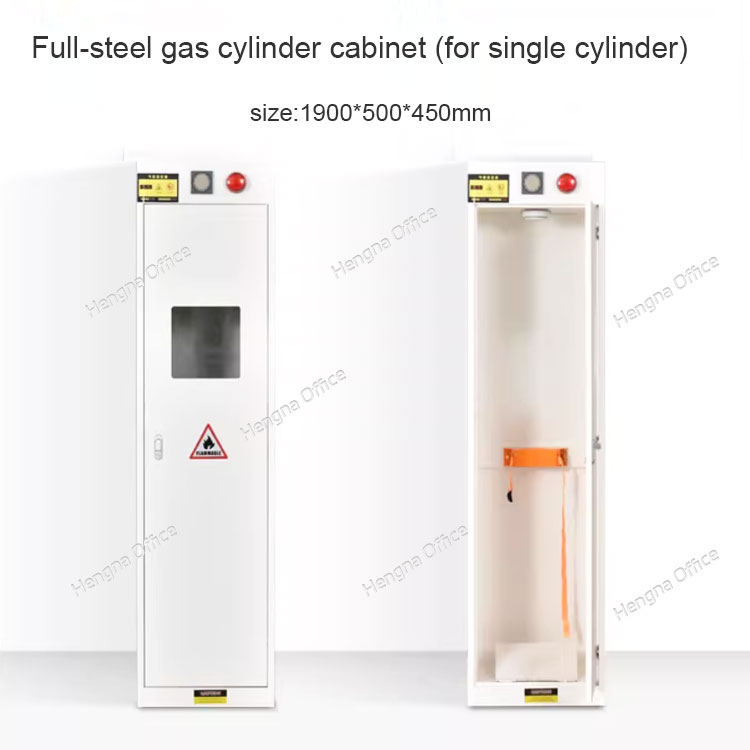
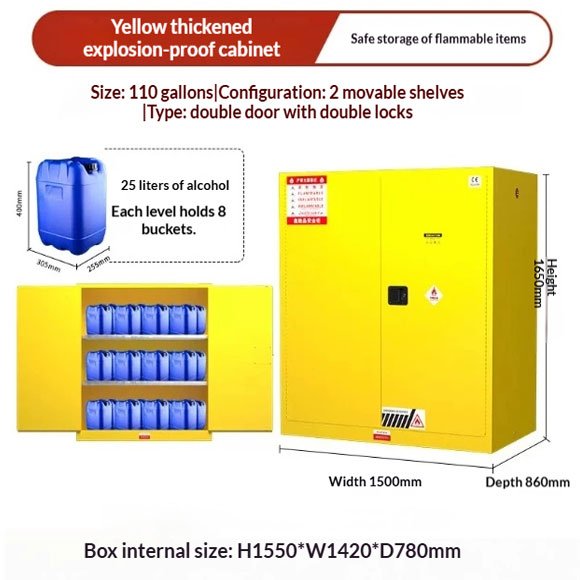
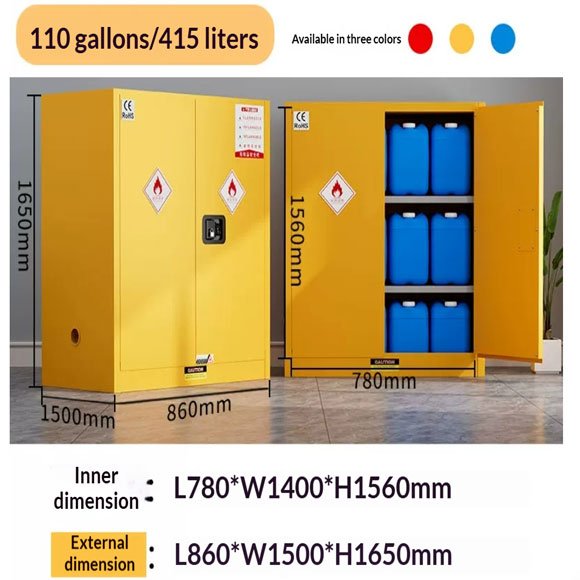
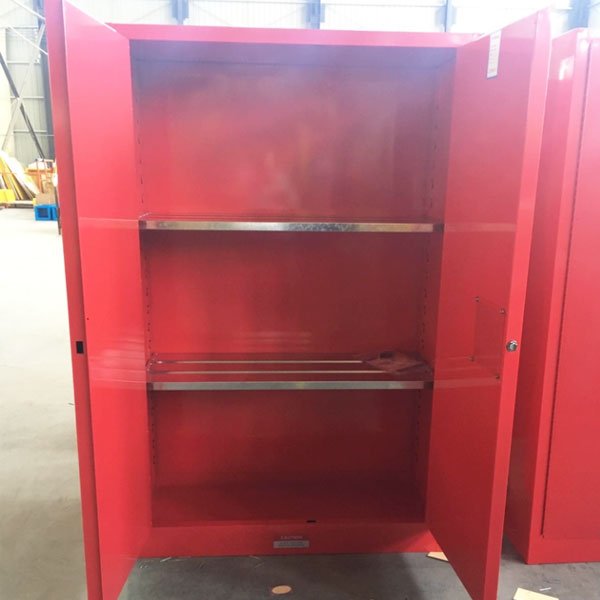
Our product portfolio includes wax block cabinets, slide cabinets, drying slide cabinets, explosion-proof cabinets, PP cabinets, gas cylinder cabinets, and stainless-steel storage cabinets. These products are designed to meet the specific needs of laboratories and pathology departments.
We use high – quality materials and advanced manufacturing techniques. For example, our cabinets are often made from cold – rolled steel plates, which are processed by laser and CNC equipment for precision. The surface treatment processes, such as rust removal, degreasing, pickling, water washing, and electrostatic powder coating, ensure durability and an appealing appearance.
26
2026 - 10
Formalin and xylene cannot share a cabinet. Here is what belongs in a polypropylene acid cabinet, what must stay out, and the ventilation numbers that decide the layout.
22
2026 - 10
A flammable cabinet resists fire from outside; an explosion-proof cabinet controls ignition inside. How to tell which one your lab or workshop actually needs.
18
2026 - 10
OSHA 1910.106 and NFPA 30 set clear requirements for flammable storage cabinets — construction, labeling, capacity limits and placement. Here is what to check before you buy.
14
2026 - 10
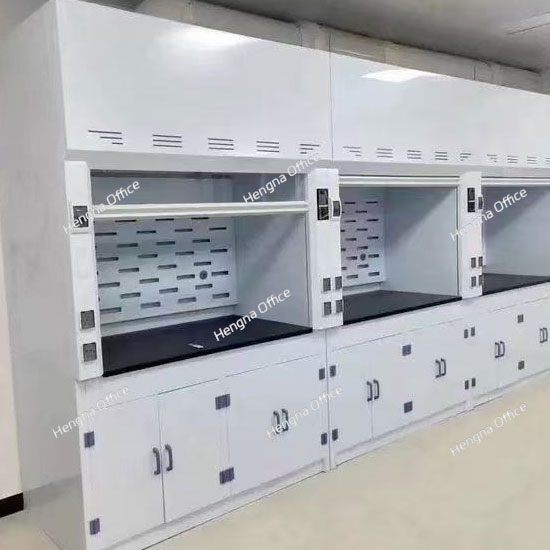
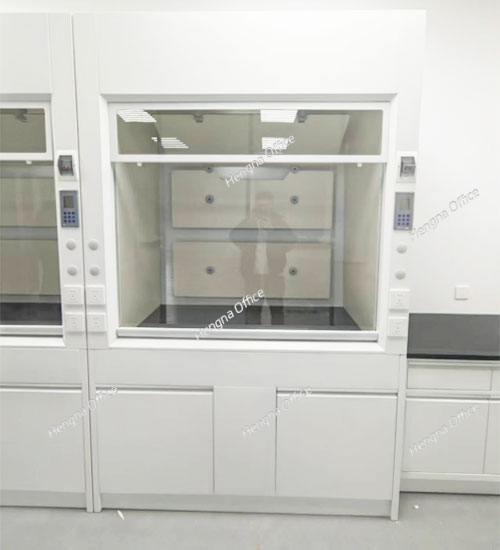
Quick answer: A benchtop fume hood sits on the lab worktop and captures vapors at the source — no floor space required. Our ducted benchtop models come in 1200mm, 1500mm and 1800mm widths with a design face velocity of 0.5 m/s, built in steel with tempered-glass viewing panels for labs that have ductwork but no room for a full-height hood. Full-height fume hoods assume one thing: floor space. In teaching labs, school chemistry rooms and compact QC benches, that assumption fails — the floor is already spoken for, but the worktop has a free meter. A benchtop fume hood turns that meter into a contained working zone: vapors from stains, solvents and etching steps are captured at the source and ducted out, while the operator works behind tempered glass. Ducted, Not Filtered: Why We Build Ducted Benchtop hoods come in two families: ductless units with carbon filters, and ducted units connected to exhaust ducting. We build ducted. The reason is performance over time — a ducted hood keeps constant capture because the airflow does not depend on a filter that saturates and needs replacing on a schedule. For labs with existing ductwork or a wall exhaust route, ducted is the version that never asks you to remember a filter change. Three Widths, One Line The benchtop line comes in 1200mm, 1500mm and 1800mm widths, so the hood matches the work zone rather than the other way around. The body is steel with a powder-coated finish; the viewing panels are tempered glass for clarity and impact resistance. The sash opens for loading and closes to the working height during operation — the containment envelope is designed around a 0.5 m/s face velocity, the airflow benchmark labs and inspectors recognize. What to Check Before Ordering a Benchtop Hood Four confirmations make the…
11
2026 - 10
Quick answer: For acid digestion and corrosive-vapor work, choose a fume hood whose every surface resists the chemistry: a welded 8mm polypropylene body for the strongest acids, or a steel hood with an anti-corrosion sync-belt sash drive that is third-party tested. Both are in our fume hood line — this guide explains which suits which acid workload, and what the third-party testing covers. Acid digestion attacks fume hoods from the inside: hot acid vapors condense on every surface they touch, and a standard powder-coated steel chamber starts showing corrosion at the seams within months. Two construction routes survive it — and the right one depends on the acids, the temperatures and how often the work runs. Route One: Welded PP Body for the Strongest Chemistry Our PP fume hood uses an 8mm polypropylene body with welded, same-material joints — no coating to chip, no base metal to rust, no seams glued with anything that solvents can open. Polypropylene shrugs off the strong acids and alkalis that digest samples for analysis: aqua-regia-class work, hydrofluoric processes and daily hot acid duty are the cases we route to PP. The trade-offs are temperature limits and surface hardness — PP is the corrosion specialist, not a general workhorse. Route Two: Steel Body with an Anti-Corrosion Sync-Belt Sash Drive Our steel fume hood line (F2 and F4 models) solves a different failure point: the sash drive. Conventional fume hoods move the glass sash on rollers and cables that corrode and jam in acid environments — maintenance becomes a recurring cost. The F2 and F4 use a self-developed anti-corrosion sync-belt drive: a 0.65mm galvanized steel-wire belt rated for 35KG sash load, tested against sulfuric acid exposure by a third party for anti-corrosion performance and tensile strength. The belt needs no lubrication, and the rollers are 26mm…
08
2026 - 10
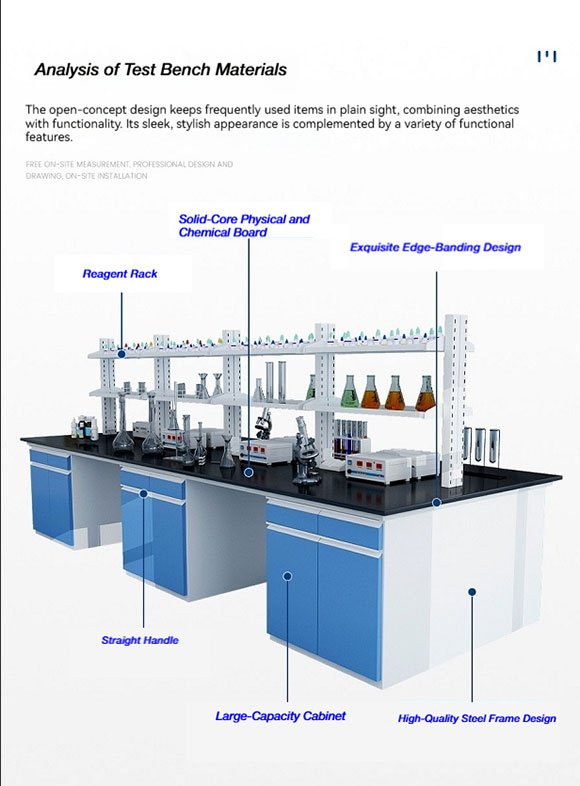
Quick answer: A lab bench with a reagent rack keeps daily-use bottles and stains on two epoxy shelves above the worktop — off the wet surface, at hand height, labeled and organized. It is the single configuration upgrade that frees the most worktop space in a chemistry lab. Watch any working chemistry bench for an hour and count the bottles on it. Reagents, buffers, staining solutions, waste beakers — all sharing the same surface where the actual work happens. Every square centimeter under a bottle is a centimeter not available for the task. A reagent rack moves that inventory up and back, and the bench underneath stays clear for real work. What a Reagent Rack Adds to a Lab Bench Three things, in the order buyers mention them. Organization: every bottle has a slot, so missing stock is visible the moment it happens. Space: the worktop regains the strip along the back wall that racks occupy — typically 250 to 300 mm of depth. Safety: reagents sit above and behind the working zone, away from open flames, moving elbows and the edge of the bench. Two-Tier Epoxy Shelving: The Configuration We Build Most Our standard reagent rack is a two-tier epoxy shelving unit mounted on the bench frame. The lower shelf sits roughly 500 mm above the worktop and carries the daily-use bottles; the upper tier takes backup stock and larger containers. Epoxy shelving is specified for chemistry duty because it resists the same reagents as a chemical-resistant worktop — a spilled stain or acid drip wipes off the shelf the same way it wipes off the bench. Shelf depth and tier spacing follow the bottle heights on your chemical list, confirmed at the drawing stage. Built With the Bench, Not Bolted On After The rack is part of the…

Experience - Rich Craftsmanship
Uncompromising Quality
Custom - Oriented Solutions
Efficient Supply Chain
Exceptional After - sales Care

Precision Storage for Lab Specimens
Chemical - Safe Storage Solutions
Specialized Gas & Hygienic Storage
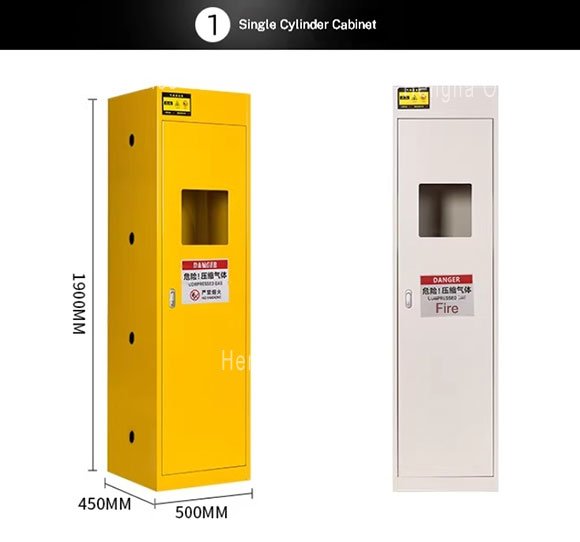
Gas Cylinder Cabinets
Stainless Steel Storage Cabinets

Professional R&D and Trade Prowess
Cutting - Edge Auto Production
Bulk Order & Project - Ready Capacity
Expert Service Team Support
ODM/OEM Customization

Minimum Order Quantity (MOQ)
Full Price List
Detailed Quotation Information
Delivery Time after Order
Delivery Method for Products
03
2025 - 12
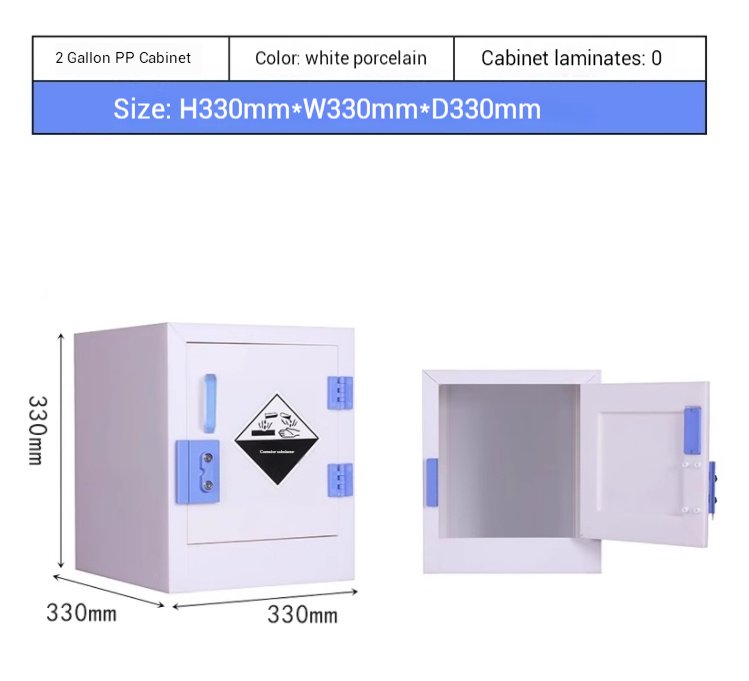
In the field of laboratory safety, the most dangerous hazards are typically tiny. Even little amounts of concentrated acids and corrosive chemicals can do a lot of damage to metal furnishings and put workers’ health at risk. The Benchtop Mini Chemical Safety Cabinet (2 Gal) from Luoyang Hengna Office Furniture Co., Ltd. is your first line of defense. This small, all-polypropylene (PP) fortress was made just for the “Point-of-Use.” It lets you safely, legally, and easily store corrosives that you use a lot on your workbench, in a fume hood, or on a school demo table. Unlike standard metal cabinets that rust and degrade, our PP cabinet is built to last, offering a permanent solution for harsh chemical environments. The “All-PP” Advantage: Why Material Matters If you are storing hydrochloric acid (HCl), sulfuric acid (H₂SO₄), or nitric acid (HNO₃), a metal cabinet is a liability. Even with expensive epoxy coatings, metal hinges and joints will inevitably corrode, leading to structural failure and contamination. Our All-PP Acid Resistant Box changes the game: Benchtop Mini Chemical Safety Cabinet (2 Gal) Product Features & Specifications 1. Space-Saving Benchtop Design With precise dimensions of H330 mm x W330 mm x D330 mm, this 2-gallon unit is a perfect cube. It is designed to fit into tight spaces where large floor-standing cabinets cannot go. It is the ideal “satellite” storage unit for individual workstations. 2. High-Visibility Safety 3. Secure & Compliant Benchtop Mini Chemical Safety Cabinet (2 Gal) Technical Specifications Table: Feature Specification Details Product Name Benchtop Mini Chemical Safety Cabinet Model HN-PP-Mini-02G Material 8 mm High-Quality Polypropylene (PP) Board External Size 330 mm (H) x 330mm (W) x 330mm (D) Internal Capacity 2 Gallons (Approx. 7.5 Liters) Color Porcelain White Body / Blue Accessories Shelves 0 (Standard) – Customizable upon request Door Type Single…
29
2025 - 11
In the demanding environment of a modern laboratory, safety is non-negotiable. However, space is often at a premium. The 2 Gallon Polypropylene (PP) Acid Cabinet by Luoyang Hengna Office Furniture Co., Ltd. is the ultimate “Point-of-Use” solution for storing highly corrosive chemicals. Unlike traditional metal cabinets that eventually succumb to rust when exposed to harsh vapors like hydrochloric or sulfuric acid, our cabinet is engineered from 100% High-Density Polypropylene (PP). It is designed to sit conveniently on your workbench, under a fume hood, or in a classroom setting, providing immediate access to critical reagents while ensuring total compliance and safety. Whether you are a school laboratory manager, an industrial safety officer, or a chemical plant operator, this compact, rustproof fortress is the best insurance for your workspace. Why Choose Polypropylene (PP) Over Metal? For years, laboratories struggled with metal cabinets. Even with epoxy coatings, metal inevitably corrodes when storing strong acids. Our PP cabinet solves this pain point permanently. 2 Gallon Polypropylene Acid Cabinet Key Features & Benefits 1. Superior Material Construction We use strictly selected, high-quality polypropylene (PP) boards. 2. Compact & Smart Design 3. High-Visibility Safety Compliance 4. Liquid-Tight Interior 2 Gallon Polypropylene Acid Cabinet Technical Specifications Feature Specification Product Name 2 Gallon Polypropylene Acid Cabinet Model Number HN-PP-02G Material 8 mm – 10mm High-Density Polypropylene (PP) External Dimensions 330 mm (H) x 330mm (W) x 330mm (D) Color Porcelain White Body / Blue Handle & Hinges Capacity 2 Gallon (Approx. 7.5 Liters) Shelves 0 (Single Open Compartment) Door Type Single Manual Swing Door (Left or Right opening optional) Lock System Padlock Hasp / Integrated Poly Lock Chemical Resistance Excellent (Acids, Alkalis, Solvents) Application Lab Benchtop, Under-counter, Fume Hood Manufacturer Luoyang Hengna Office Furniture Co., Ltd. Application Scenarios Where is this 2-gallon cabinet best used? OEM & ODM…
09
2025 - 10
Strong acids and bases are essential in many laboratory and industrial settings. These chemicals require special handling and storage. Improper storage can lead to dangerous accidents. PP safety cabinets provide the ideal solution for these hazardous materials. Learning how to safely store strong acids and bases in PP safety cabinets is crucial for workplace safety. This guide will walk you through the best practices and procedures. When you safely store strong acids and bases in PP safety cabinets, you protect both people and property. Understanding PP Safety Cabinets for Chemical Storage PP safety cabinets are specifically designed for corrosive chemicals. PP stands for polypropylene, a highly resistant material. This material withstands corrosion from strong acids and bases. Unlike metal cabinets, PP won’t degrade when exposed to these chemicals. PP safety cabinets feature seamless construction and leak-proof designs. These cabinets are essential for any facility handling corrosive substances. When you safely store strong acids and bases in PP safety cabinets, you ensure long-term protection. The durability of PP safety cabinets makes them a wise investment for chemical storage. Key Features of PP Safety Cabinets: Types of Strong Acids and Bases Requiring Special Storage Many common chemicals require storage in PP safety cabinets. Strong acids include sulfuric acid, hydrochloric acid, and nitric acid. These substances can cause severe burns and damage equipment. Strong bases like sodium hydroxide and potassium hydroxide are equally hazardous. Both categories of chemicals can react dangerously with other substances. PP safety cabinets provide the necessary containment for these materials. Always identify which chemicals in your facility need PP safety cabinet storage. Proper identification is the first step to safely store strong acids and bases in PP safety cabinets. Common Strong Acids and Bases Requiring PP Safety Cabinets: Strong Acids Strong Bases Sulfuric Acid (H₂SO₄) Sodium Hydroxide (NaOH) Hydrochloric…
05
2025 - 10
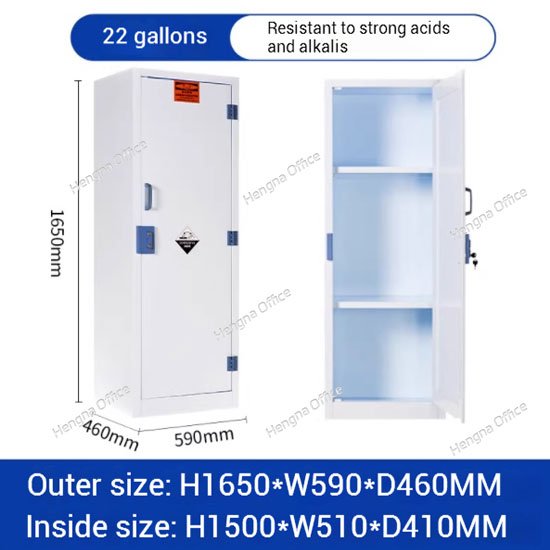
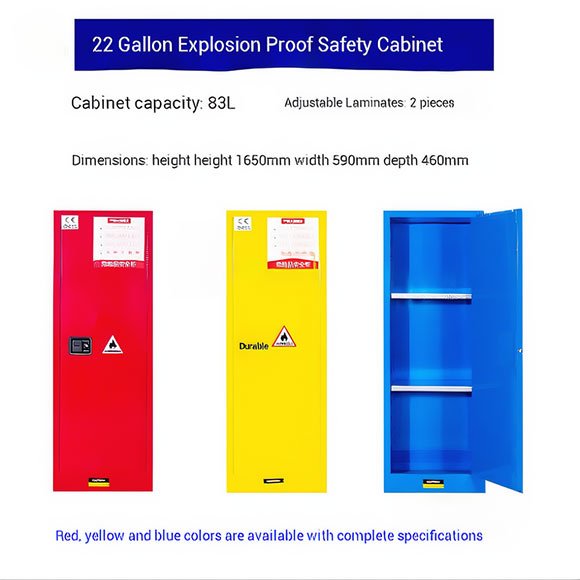
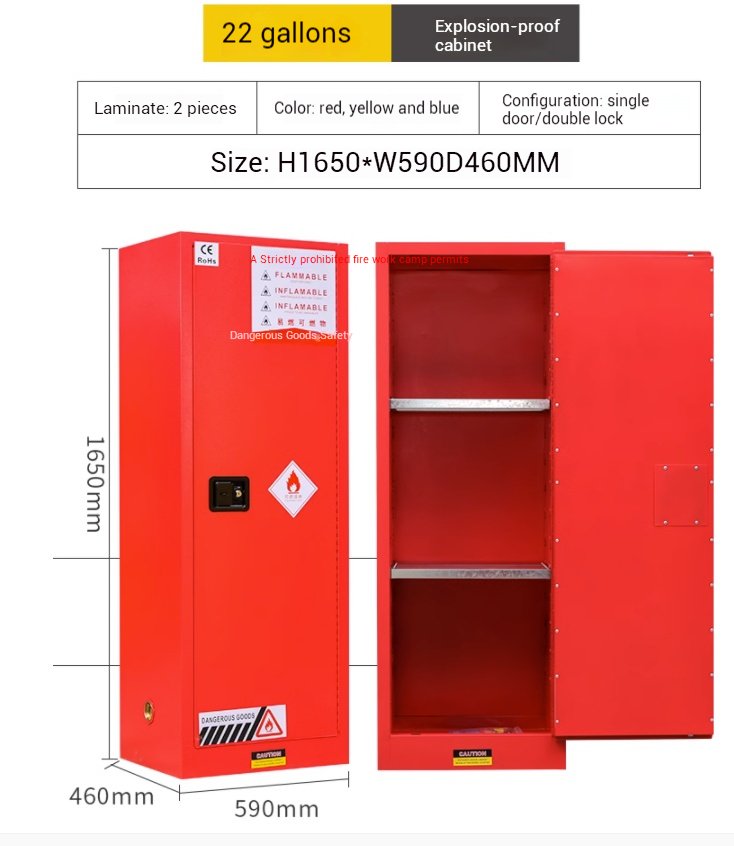
PP Corrosive Safety Cabinet with Strong Acid and Alkali Resistance represents the pinnacle of safety and reliability in chemical storage solutions. When working with hazardous materials like strong acids and alkalis, having the right storage equipment can prevent accidents and ensure regulatory compliance. Our PP Corrosive Safety Cabinet is specifically engineered to meet these critical needs. This cabinet provides unmatched protection for your workplace, staff, and valuable materials. The PP Corrosive Safety Cabinet with Strong Acid and Alkali Resistance is designed to withstand the harshest chemical environments while maintaining structural integrity and safety features. Why Polypropylene is the Superior Choice for Acid and Alkali Storage The material of your safety cabinet matters significantly when dealing with strong acids and alkalis. Traditional metal cabinets can corrode and fail when exposed to corrosive chemicals. Our PP Corrosive Safety Cabinet eliminates this risk entirely. Polypropylene is inherently resistant to a wide range of corrosive substances, including sulfuric acid, hydrochloric acid, sodium hydroxide, and potassium hydroxide. This resistance ensures that your PP Corrosive Safety Cabinet maintains its structural integrity even after years of exposure to harsh chemicals. The PP Corrosive Safety Cabinet with Strong Acid and Alkali Resistance won’t rust, degrade, or compromise the safety of your workplace environment. This makes it the ideal choice for any facility serious about chemical safety. Key Features of Our PP Corrosive Safety Cabinet Our PP Corrosive Safety Cabinet with Strong Acid and Alkali Resistance is packed with features designed to maximize safety and functionality: Technical Specifications Specification Detail Material Premium polypropylene (PP) Capacity 22 gallons Outer Dimensions H1650×W590×D460MM Inner Dimensions H1500×W510×D410MM Shelves Adjustable with spill-proof edges Leak Protection 2CM liquid depth capacity Locking System Secure lockable door Weight Sturdy yet manageable for installation Advanced Safety Features The PP Corrosive Safety Cabinet with Strong Acid and Alkali Resistance…
01
2025 - 10
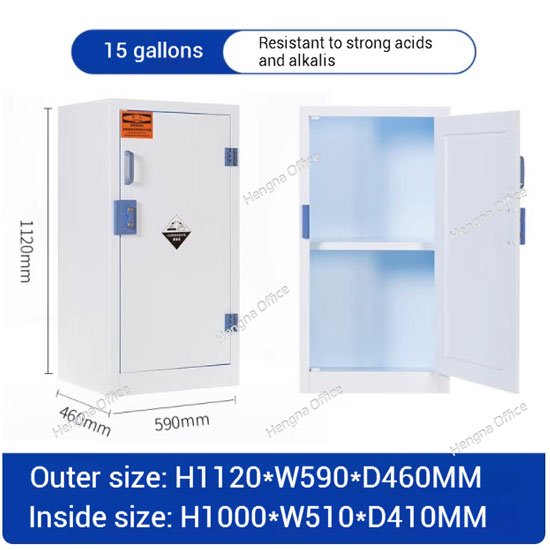
Polypropylene Laboratory Storage Cabinet for Strong Acids and Bases represents the pinnacle of safety and reliability in chemical storage solutions. When working with hazardous materials like strong acids and bases, having the right storage equipment can prevent accidents and ensure regulatory compliance. Our Polypropylene Laboratory Storage Cabinet is specifically engineered to meet these critical needs. This cabinet provides unmatched protection for your laboratory, staff, and valuable research materials. The Polypropylene Laboratory Storage Cabinet for Strong Acids and Bases is designed to withstand the harshest chemical environments while maintaining structural integrity and safety features. Why Polypropylene is the Superior Choice for Acid and Base Storage The material of your storage cabinet matters significantly when dealing with strong acids and bases. Traditional metal cabinets can corrode and fail when exposed to corrosive chemicals. Our Polypropylene Laboratory Storage Cabinet eliminates this risk entirely. Polypropylene is inherently resistant to a wide range of corrosive substances, including sulfuric acid, hydrochloric acid, sodium hydroxide, and potassium hydroxide. This resistance ensures that your Polypropylene Laboratory Storage Cabinet maintains its structural integrity even after years of exposure to harsh chemicals. The Polypropylene Laboratory Storage Cabinet for Strong Acids and Bases won’t rust, degrade, or compromise the safety of your laboratory environment. This makes it the ideal choice for any facility serious about chemical safety. Key Features of Our Polypropylene Laboratory Storage Cabinet Our Polypropylene Laboratory Storage Cabinet for Strong Acids and Bases is packed with features designed to maximize safety and functionality: Technical Specifications Specification Detail Material Premium polypropylene with double-layer steel reinforcement Capacity 15 gallons Outer Dimensions H1120×W590×D460MM Inner Dimensions H1000×W510×D410MM Shelves Two adjustable laminates Locking System Dual-lock management Weight Sturdy yet manageable for installation Compliance Meets industry safety standards for chemical storage Applications for the Polypropylene Laboratory Storage Cabinet This versatile cabinet is suitable for a…
28
2025 - 09
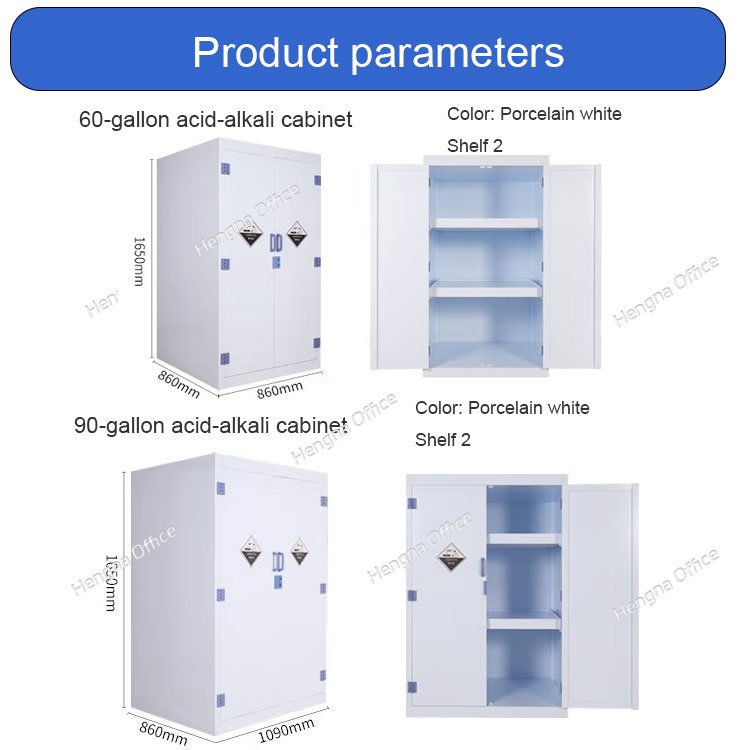
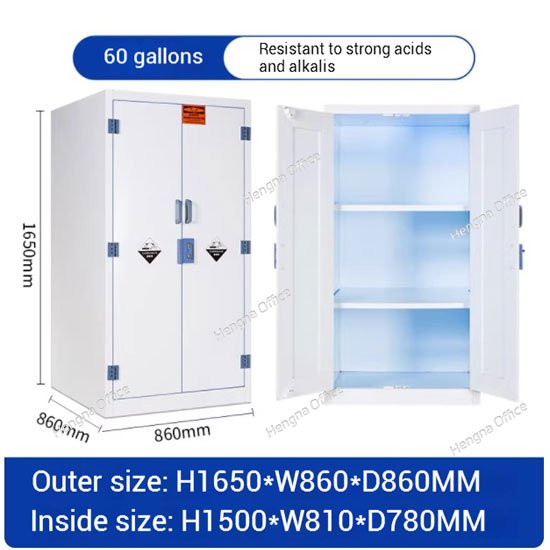
60 Gallon Polypropylene Acid Storage Cabinet for Laboratory Safety is engineered to provide the highest level of protection for your staff, facility, and valuable research materials. This specialized acid storage cabinet is constructed from premium polypropylene material that offers unparalleled resistance to corrosive substances. When you choose our 60 Gallon Polypropylene Acid Storage Cabinet, you’re investing in a laboratory safety solution that will serve your facility reliably for years to come. Why Polypropylene is the Superior Choice for Acid Storage The material of your acid storage cabinet matters significantly. Traditional metal cabinets can corrode when exposed to strong acids, creating additional safety hazards. Our 60 Gallon Polypropylene Acid Storage Cabinet eliminates this concern entirely. Polypropylene is inherently resistant to a wide range of corrosive chemicals, including sulfuric acid, hydrochloric acid, and nitric acid. This resistance ensures that your acid storage cabinet maintains its structural integrity even after years of exposure to harsh substances. The 60 Gallon Polypropylene Acid Storage Cabinet won’t rust, degrade, or compromise the safety of your laboratory environment. This makes it the ideal choice for any facility serious about laboratory safety. Key Features of Our 60 Gallon Polypropylene Acid Storage Cabinet Our acid storage cabinet is packed with features designed to maximize safety and functionality: Technical Specifications Specification Detail Capacity 60 gallons (approximately 227 liters) Outer Dimensions H1650mm x W860mm x D860mm Inner Dimensions H1500mm x W810mm x D780mm Material 100% virgin polypropylene Shelves 3 adjustable shelves Door Design Double-door with secure latches Weight Sturdy yet manageable for installation Applications for the 60 Gallon Polypropylene Acid Storage Cabinet This versatile acid storage cabinet is suitable for a wide range of environments: Safety Benefits of Proper Acid Storage Investing in a quality acid storage cabinet is essential for laboratory safety. Our 60 Gallon Polypropylene Acid Storage Cabinet provides…