
Selecting the ideal gallon safety cabinet is critical for laboratory safety. Proper chemical storage prevents accidents and ensures regulatory compliance. This guide simplifies your decision-making process.
1. Assess Your Chemical Storage Needs
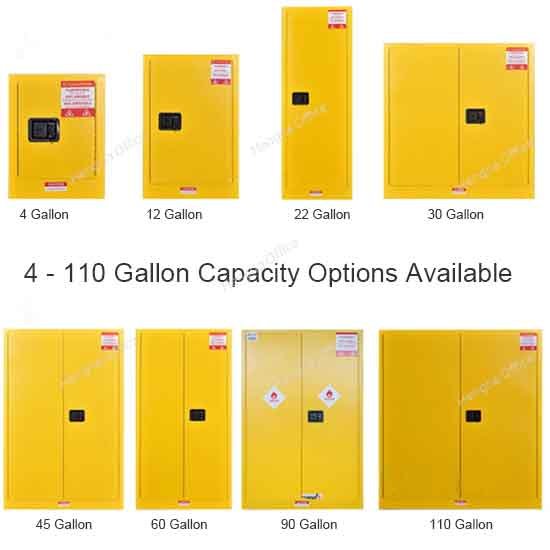
Start by evaluating your chemical inventory. List all flammable liquids and their quantities. Smaller labs may need a 4-12 gallon safety cabinet. Larger facilities often require 30-60 gallon safety cabinets. Always plan for future chemical acquisitions.
2. Prioritize Compliance Standards
Your gallon safety cabinet must meet OSHA and NFPA 30 codes. These standards ensure fire resistance and ventilation. Non-compliant cabinets risk fines and safety hazards. Verify certifications before purchasing.
3. Evaluate Construction Materials
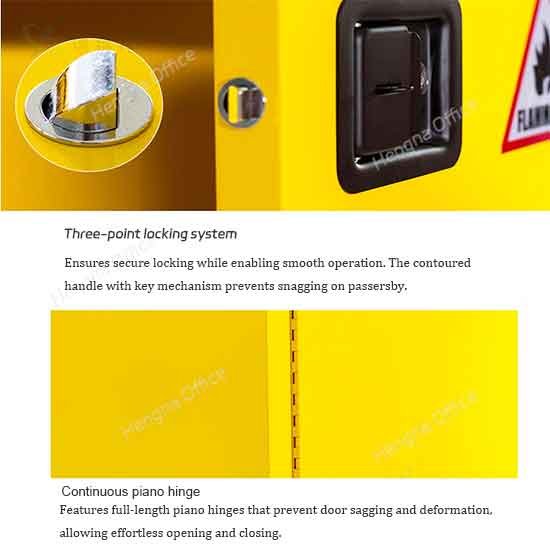
Quality gallon safety cabinets use 18-gauge welded steel. Double-walled construction with 1.5-inch air gaps enhances fire protection. Self-closing doors and leak-proof sills are essential. These features contain spills and limit oxygen exposure.
4. Consider Ventilation Requirements
Proper airflow prevents vapor buildup. Choose a gallon safety cabinet with vent ports. Connect these to exhaust systems for volatile chemicals. Never modify vents without expert guidance.
5. Optimize Placement and Accessibility
Position your gallon safety cabinet near workstations. This minimizes chemical transport distances. Ensure 18-inch clearance from heat sources. Avoid high-traffic areas to reduce collision risks.
6. Gallon Safety Cabinet |Compare Key Features
| Feature | Small Cabinet (4-12 gal) | Large Cabinet (30-60 gal) |
|---|---|---|
| Capacity | Limited storage | High-volume storage |
| Footprint | Compact | Requires dedicated space |
| Cost | Lower investment | Higher initial cost |
| Use Case | Small labs/classrooms | Industrial facilities |
7. Don’t Overlook Maintenance
Regular inspections extend your gallon safety cabinet lifespan. Check door seals, hinges, and corrosion monthly. Clean spills immediately. Document all maintenance for compliance records.
8. Seek Expert Guidance
Consult safety specialists when selecting a gallon safety cabinet. They help match capacity to your chemical types. Reputable suppliers offer compliance documentation and training resources.
Final Recommendations
The right gallon safety cabinet balances capacity, compliance, and functionality. Invest in OSHA/NFPA-certified models. Prioritize welded steel construction and self-closing doors. Place cabinets strategically to enhance workflow safety.
Act now: Audit your chemical storage today. A compliant gallon safety cabinet isn’t just equipment—it’s your first line of defense against laboratory hazards. Protect your team and facility with informed choices.