
In laboratory environments, the safe storage of corrosive chemicals like acids and bases is not just a best practice—it’s a legal requirement that can mean the difference between a safe workspace and a catastrophic accident. According to recent statistics, over 30% of laboratory accidents worldwide stem from improper chemical storage, with corrosive substance incidents leading to severe burns, equipment damage, and environmental contamination. A 4-gallon PP (polypropylene) acid and base storage cabinet serves as your first line of defense, protecting personnel, preventing accidents, and ensuring compliance with stringent regulatory standards.
Why Dedicated Acid/Base Storage Matters: Beyond Ordinary Cabinets
Standard storage cabinets simply cannot handle the aggressive nature of corrosive chemicals. When acids or bases are stored in conventional metal or wooden cabinets, you risk:
- Chemical Reactions: Metal cabinets can react violently with strong acids, producing hydrogen gas and creating explosion hazards
- Structural Degradation: Corrosive substances can eat through cabinet materials, leading to leaks and spills
- Cross-Contamination: Inadequate segregation can cause dangerous chemical reactions
- Regulatory Violations: Non-compliant storage can result in hefty fines and legal consequences
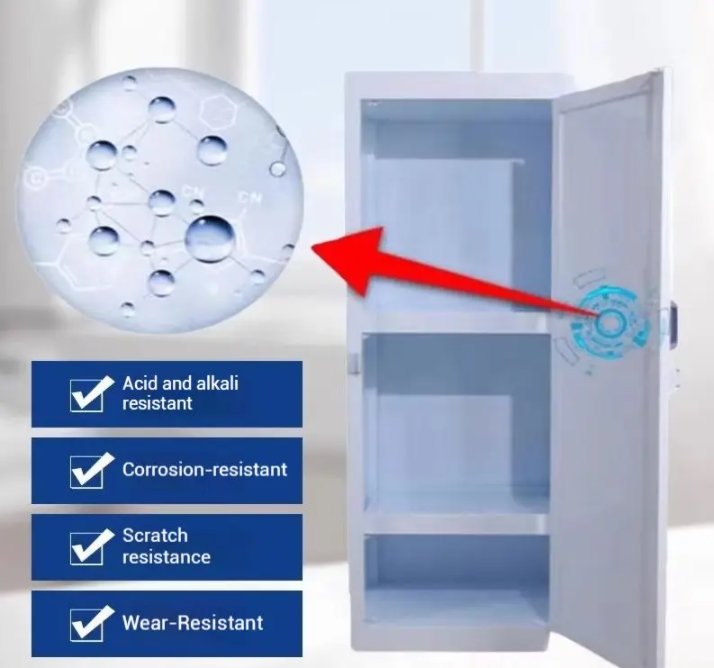
A dedicated PP cabinet addresses these risks through specialized design and materials engineered specifically for corrosive chemical storage.
Key Selection Factors: Your Comprehensive Buying Guide
When evaluating 4-gallon PP acid and base storage cabinets, prioritize these critical features:
1. Material Quality: The Foundation of Safety
Polypropylene (PP) Construction stands as the gold standard for corrosive chemical storage. Here’s why PP outperforms other materials:
| Material | Corrosion Resistance | Durability | Cost Effectiveness | Safety Rating |
|---|---|---|---|---|
| Virgin PP | ⭐⭐⭐⭐⭐ | ⭐⭐⭐⭐⭐ | ⭐⭐⭐⭐ | ⭐⭐⭐⭐⭐ |
| Recycled PP | ⭐⭐⭐ | ⭐⭐⭐ | ⭐⭐⭐⭐⭐ | ⭐⭐⭐ |
| Stainless Steel | ⭐⭐ | ⭐⭐⭐⭐ | ⭐⭐ | ⭐⭐ |
| Coated Metal | ⭐ | ⭐⭐ | ⭐⭐⭐ | ⭐ |
Key Consideration: Always choose virgin PP over recycled materials. Recycled PP may contain impurities that compromise chemical resistance and structural integrity.
2. Security Features: Preventing Unauthorized Access
Double Lock System is non-negotiable for laboratory safety:
- Primary Lock: Key-operated mechanism for main security
- Secondary Lock: Combination or electronic lock for authorized personnel only
- Tamper-Proof Design: Resists picking, drilling, and forced entry
- Glove-Compatible Operation: Easy to use even with protective gloves on
3. Ventilation and Airflow Management
Proper ventilation is crucial for preventing vapor buildup:
Essential Ventilation Features:
- ✅ Strategic Vent Placement: Top and side vents for optimal airflow
- ✅ Chemical-Resistant Filters: Activated carbon filters for vapor absorption
- ✅ Exhaust Compatibility: Connection points for laboratory ventilation systems
- ✅ Adjustable Airflow: Customizable ventilation based on stored chemicals
4. Spill Containment and Leak Prevention
Integrated Spill Management System:
- Depth Requirements: Minimum 2-inch deep containment tray
- Capacity: Must contain at least 25% of total cabinet volume
- Material: PP construction matching cabinet body
- Removable Design: Easy cleaning and maintenance access
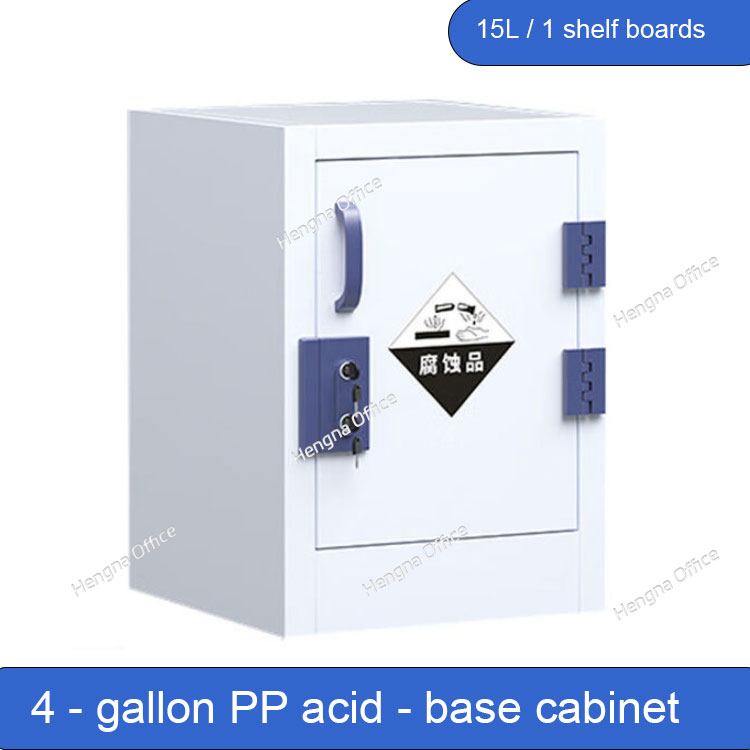
5. Ergonomic Design Elements
User-Friendly Features:
- PP Handles: Corrosion-resistant, comfortable grip
- Smooth Operation: Door hinges supporting 10,000+ open/close cycles
- Adjustable Shelving: Customizable storage configurations
- Clear Labeling: GHS-compliant safety markings
Maintenance and Operational Best Practices
Even the highest-quality cabinet requires proper maintenance:
Regular Inspection Schedule:
Daily Checks:
- Visual inspection for damage or wear
- Lock functionality verification
- Spill containment tray inspection
Weekly Maintenance:
- Exterior cleaning with appropriate solutions
- Ventilation filter inspection and replacement
- Door seal integrity check
Monthly Professional Service:
- Comprehensive structural inspection
- Lock mechanism lubrication and adjustment
- Ventilation system performance testing
Operational Guidelines:
Proper Usage Protocols:
- Segregation: Store acids and bases separately when possible
- Inventory Management: Maintain current chemical inventory lists
- Access Control: Limit access to trained and authorized personnel
- Emergency Preparedness: Keep spill response kits nearby
Most laboratories see full return on investment within 12-18 months through compliance savings and accident prevention.
Selecting the right 4-gallon PP acid and base storage cabinet is a critical decision that impacts laboratory safety, regulatory compliance, and operational efficiency. By prioritizing virgin PP construction, double-lock security, proper ventilation, and regulatory compliance, you create a safer working environment while avoiding costly violations.
Remember: in laboratory safety, cutting corners on storage solutions is never worth the risk. Invest in quality, prioritize compliance, and protect your most valuable assets—your personnel and your research.
Ready to enhance your laboratory safety? Contact our specialists today for a personalized consultation and find the perfect 4-gallon PP acid and base storage cabinet that meets your specific needs and compliance requirements.