
Modern laboratories handle numerous hazardous substances daily. Safety remains a top priority in these environments. Polypropylene acid and corrosive storage cabinets play a crucial role in maintaining laboratory safety. These specialized storage solutions protect both personnel and valuable research materials. Understanding their importance helps laboratories make informed decisions about their safety infrastructure.
What Are Polypropylene Acid and Corrosive Storage Cabinets?
Polypropylene acid and corrosive storage cabinets are specialized containment units. They are designed specifically for storing hazardous chemicals safely. These cabinets are constructed from high-density polypropylene material. This material offers exceptional resistance to corrosive substances. Unlike metal cabinets, they won’t degrade when exposed to acids or bases. Polypropylene acid and corrosive storage cabinets come in various sizes. They can accommodate different laboratory needs and space constraints.
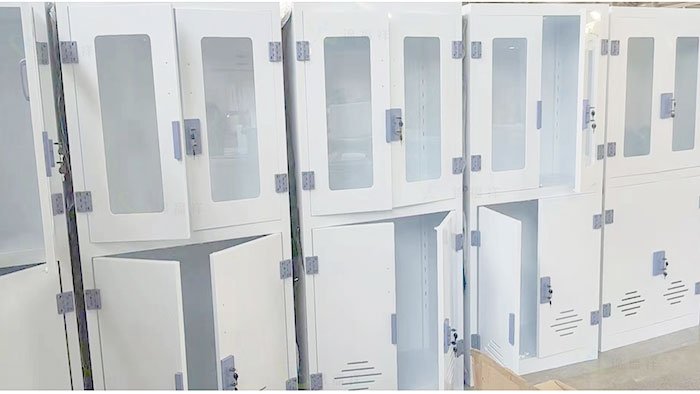
Protection Features of Specialized Cabinets
Polypropylene acid and corrosive storage cabinets offer multiple protection features. These features ensure maximum safety in laboratory environments.
Material Resistance
The polypropylene construction provides superior chemical resistance. It withstands exposure to sulfuric acid, hydrochloric acid, and nitric acid. The material doesn’t corrode or weaken over time. This resistance extends the cabinet’s lifespan significantly. Polypropylene acid and corrosive storage cabinets maintain integrity even with accidental spills.
Containment Design
These cabinets feature leak-proof sumps and containment systems. The sumps capture any spills or leaks immediately. This prevents dangerous chemicals from spreading. The containment design protects laboratory floors and nearby equipment. Polypropylene acid and corrosive storage cabinets effectively isolate hazardous materials.

Ventilation Capabilities
Proper ventilation is critical for chemical storage. These cabinets include built-in ventilation systems. The systems safely remove fumes and vapors. This prevents dangerous gas accumulation. Polypropylene acid and corrosive storage cabinets maintain air quality in laboratories.
Security Features
Robust locking mechanisms prevent unauthorized access. These security features protect sensitive materials. They also prevent accidental exposure. Polypropylene acid and corrosive storage cabinets keep hazardous substances secure.
Regulatory Compliance
Laboratories must adhere to strict safety regulations. Polypropylene acid and corrosive storage cabinets help meet these requirements. They comply with OSHA, NFPA, and other safety standards. Using these cabinets demonstrates commitment to safety. They help laboratories pass inspections and avoid penalties. Polypropylene acid and corrosive storage cabinets are essential for regulatory compliance.
Economic Benefits
Investing in quality storage solutions offers long-term savings. Polypropylene acid and corrosive storage cabinets prevent costly accidents. They protect expensive equipment and research materials. These cabinets reduce the risk of workplace injuries. Fewer accidents mean lower insurance premiums. Polypropylene acid and corrosive storage cabinets provide excellent return on investment.
Conclusion
Polypropylene acid and corrosive storage cabinets are indispensable in modern laboratories. They provide essential protection for personnel and materials. These specialized cabinets meet regulatory requirements. They offer economic benefits through accident prevention. Every modern laboratory should prioritize these storage solutions. Safety should never be compromised in research environments. Polypropylene acid and corrosive storage cabinets represent a fundamental component of laboratory safety infrastructure.